
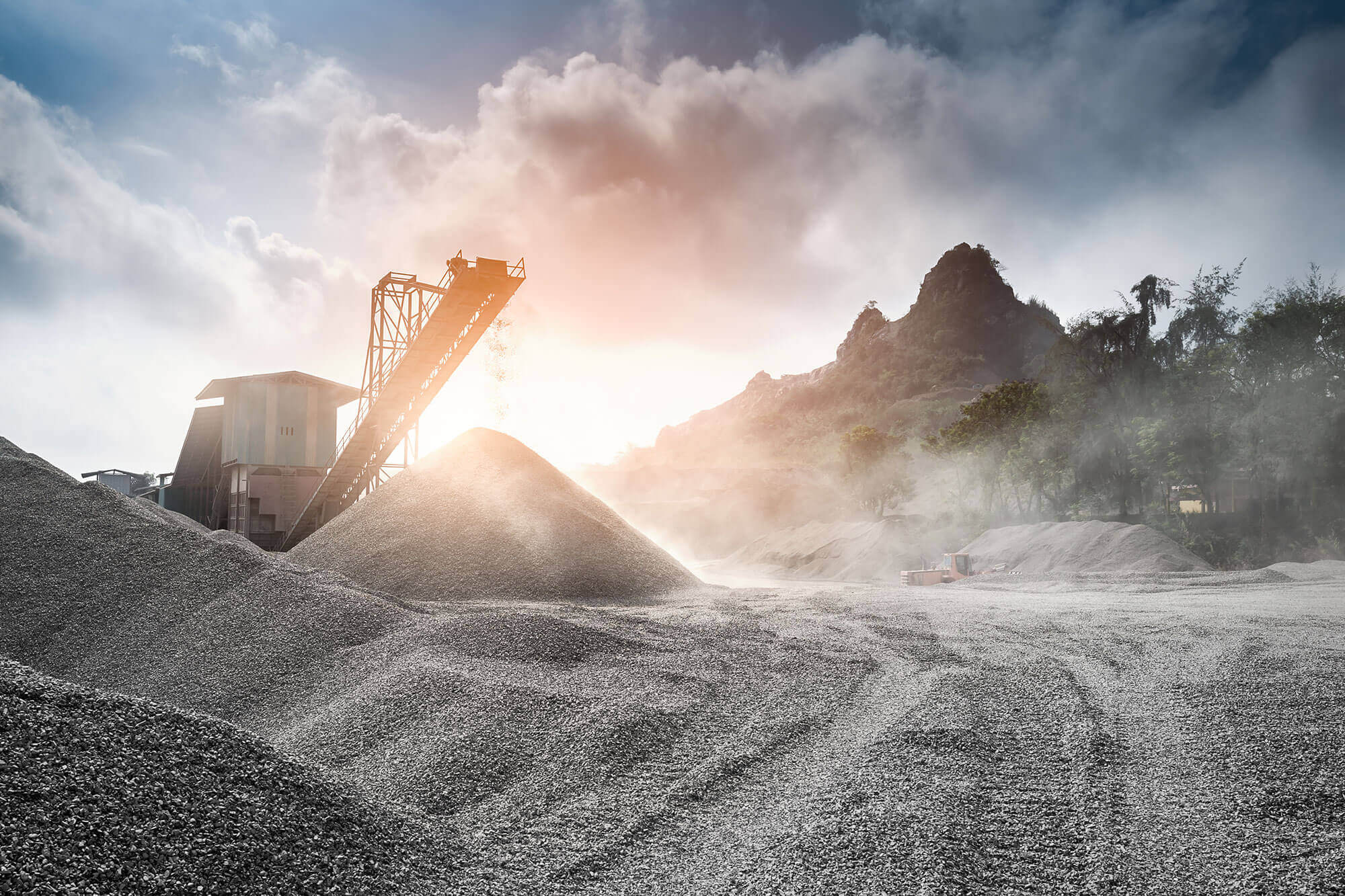
After coal: HPC builds in Schöningen
The Schöningen open pit mine is a special place: As if under a microscope, the past and the future are revealed here, from the Paleolithic era to the inner-German border to HPC’s solutions for post-mining landscapes.
Anyone who studied at the Freiberg Mining Academy and manages an HPC branch not far from a recultivated opencast lignite mine knows all the phases and consequences of raw material extraction. Michael Rüger, an engineer, and his team have been exploring deposits for decades, as well as restoring contaminated sites and rehabilitating entire opencast mines.
“There is a lot to be done: Eight percent of the entire former German Democratic Republic (GDR; East Germany) is affected by mining. But there are also many post-mining landscapes in former West Germany (BRD),”
Michael Rüger
Even before the fall of the Berlin Wall, he and a team in Merseburg were working on engineering solutions for mining. On the day of the monetary reform in Germany, the team then joined HPC AG – a bit of reunification of colleagues.
Helmstedt mining district and the inner-German border:
dialogue through mining
The open-cast mines in the Helmstedt area are also a dramatic reminder of the inner-German border – of conflict and dialogue. When the border was closed in 1952, tensions initially arose: the miners on the east side kept the excavator. On the west side, they threatened to turn off the cooling water needed for the East German Harbke power station.
Eventually, solutions were found for this and other points of contention. It was agreed, for example, that for the time being that the electricity for the continued operation of the opencast mine in West Germany would be supplied from East Germany.
And for East Germany, the area for dumping waste was temporarily made available. Geological and mining information was also exchanged regularly. In a sense, the border was a little more permeable here. Nevertheless, there were border security installations in the Helmstedt/Wulfersdorf lignite mining area, some of which can still be visited today.
New landscape in Schöningen opencast mine
The Schöningen opencast mine, where lignite had been mined since the 19th century, was the last active opencast mine in the Helmstedt district. Part of the open pit mine has been refilled. A body of water is planned for the former mine with the name “Elmsee”. But it is difficult for the architects of the new landscape due to the geology of the surrounding area between the towns of Schöningen and Helmstedt as well as the municipality of Hötensleben.
At a glance:
Stable embankments and lack of water
But erosion is not the only threat to the stability of the slopes. The planned flooding of the remaining open pit and the associated rise in groundwater in its vicinity will also change the conditions on the slope systems. Their stability must be ensured to exclude any risk of landslides in the future.
The dream of cool water is easier to fulfil in other regions of Germany. Compared to Lusatia, for example, there is little water in the Helmstedt area. Moreover, the little water that is available is initially reserved for the neighbouring former Wulfersdorf open-cast mine. The flooding of the Schöningen opencast mine will therefore not take years, but decades – probably 80 years, to be more exact.
The HPC team and the solutions
Michael Rüger always tackles such multifaceted challenges with an interdisciplinary team. Geologist Stefanie Liebetrau, hydrogeologist Matthias Kater, geographer Hendrik Herberg, geotechnical engineer Andreas Jahnel and engineer Uwe Thomas are working for the Schöningen opencast mine. They are securing the pit, taking soil and rock samples and modelling the temporal course of the groundwater recharge, as well as taking climate change into account. About the future lake in the Schöningen open pit, hydrogeologist Matthias Kater says:
“The slopes of the Schöningen opencast mine were open for a long time. Without vegetation, the rain has an easy time of it and channels from erosion develop.”
Michael Rüger
In order to secure the slopes of the open pit permanently, the HPC team relies on a combination of different solutions: “On the one hand, we adapt the geometry of the slopes to the extreme conditions on site, which means we ensure flat slopes,” says Michael Rüger.
“In addition, we secure the edges of the pits with support from additional soil and durable stones in the areas threatened by erosion,” Uwe Thomas adds. The eventful history that the HPC team encounters in its work is not limited to East and West Germany. The spears and bones that archaeologists uncovered in the open-cast mine are no less than 300,000 years old. It was probably Homo heidelbergensis who used the wooden weapon found in 2016 for hunting.
“Flooding will take a long time. On the other hand, the new lake will be an ecologically valuable biotope and refuge for many endangered species.”
For a long time, the dam that was built for the GDR border security facilities in the Wulfersdorf open-cast mine was visible even when the water was rising. Soon it will be flooded. The lake that will then be created has been named Lappwaldsee. Both of the emerging bodies of water, Lake Elm in the west and Lake Lappwald in the east, will cover ground steeped in history.
More success stories
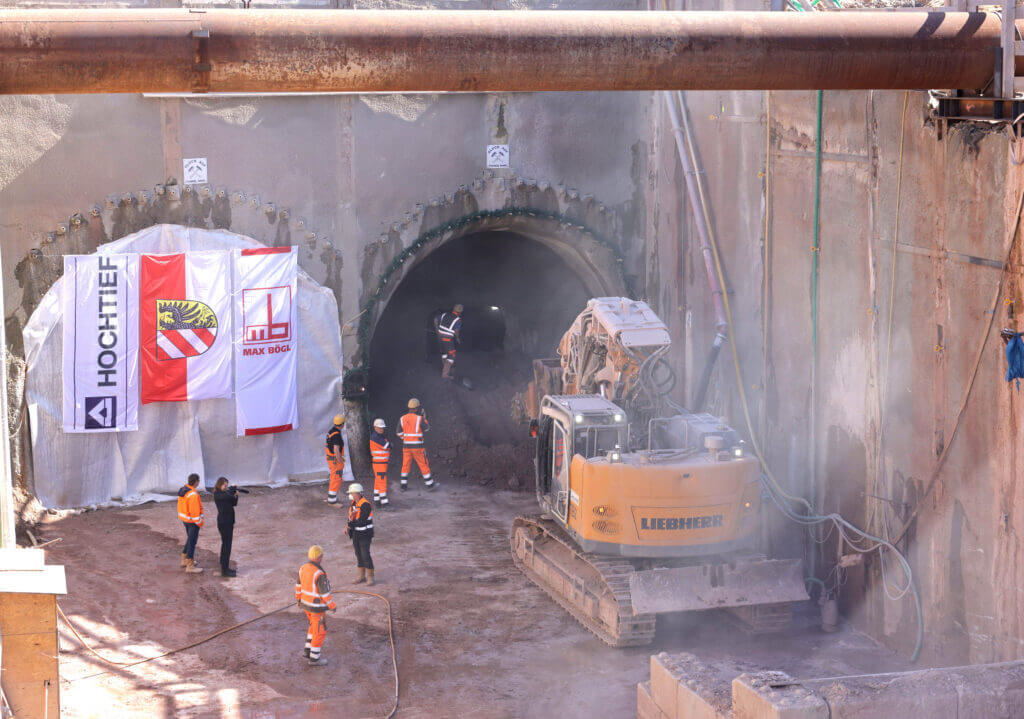
Why work with us?
More than 75 years of experience
Since 1948, Ginger HPC has combined expertise and precision in environmental and engineering projects – ensuring reliable solutions that stand the test of time.
Strong international network
With offices across Europe, as part of the Ginger Group and as a founding member of the Inogen Alliance, we bring global insights and local expertise to every project.
Award-winning sustainability
From international certifications to industry awards, our achievements reflect engineering precision, high standards, and a continuous drive for innovation.
Our Service Areas
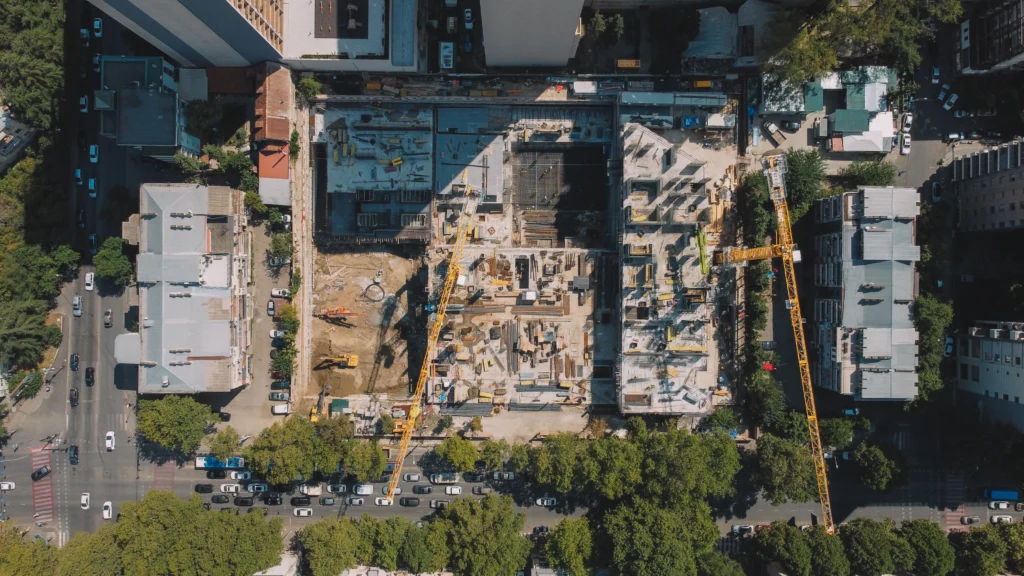
Land Recycling
Experience. Responsibility. Worldwide.
Life is constantly evolving. New buildings and installations are emerging on freely available land. Elsewhere occupied land is being redeveloped and…
Environment and Safety
Experience. Responsibility. Worldwide.
The environment and our living conditions determine our quality of life. Development entails changes. Sustainable environmental development is the…
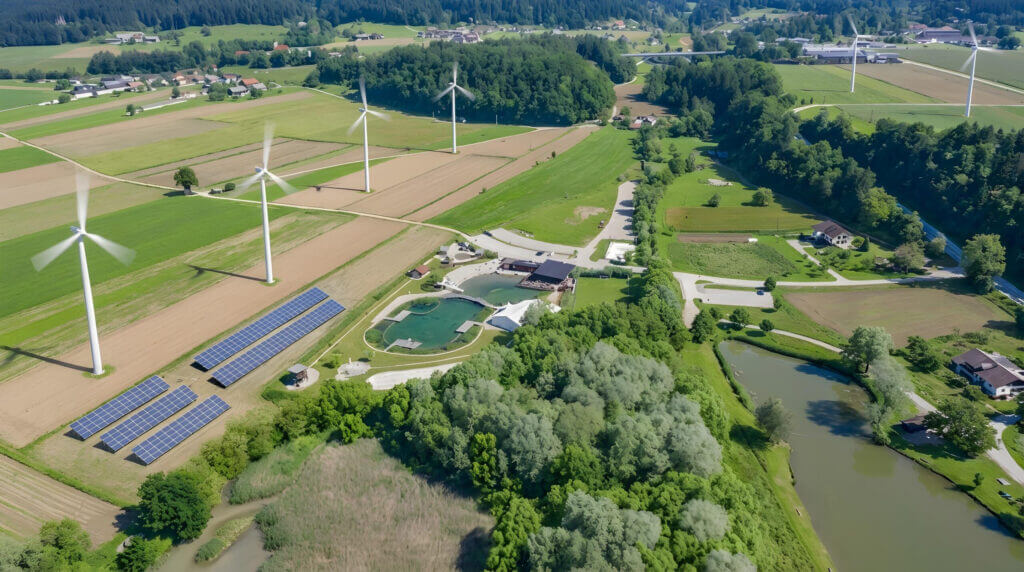
Infrastructure
Experience. Accountability. Valorisation.
Regional economic objectives of investment-related infrastructure policies can only be achieved by thorough infrastructure planning. Infrastructure…
Got a project in mind?
We have the solution.